The Year I READ.
And what it showed me.

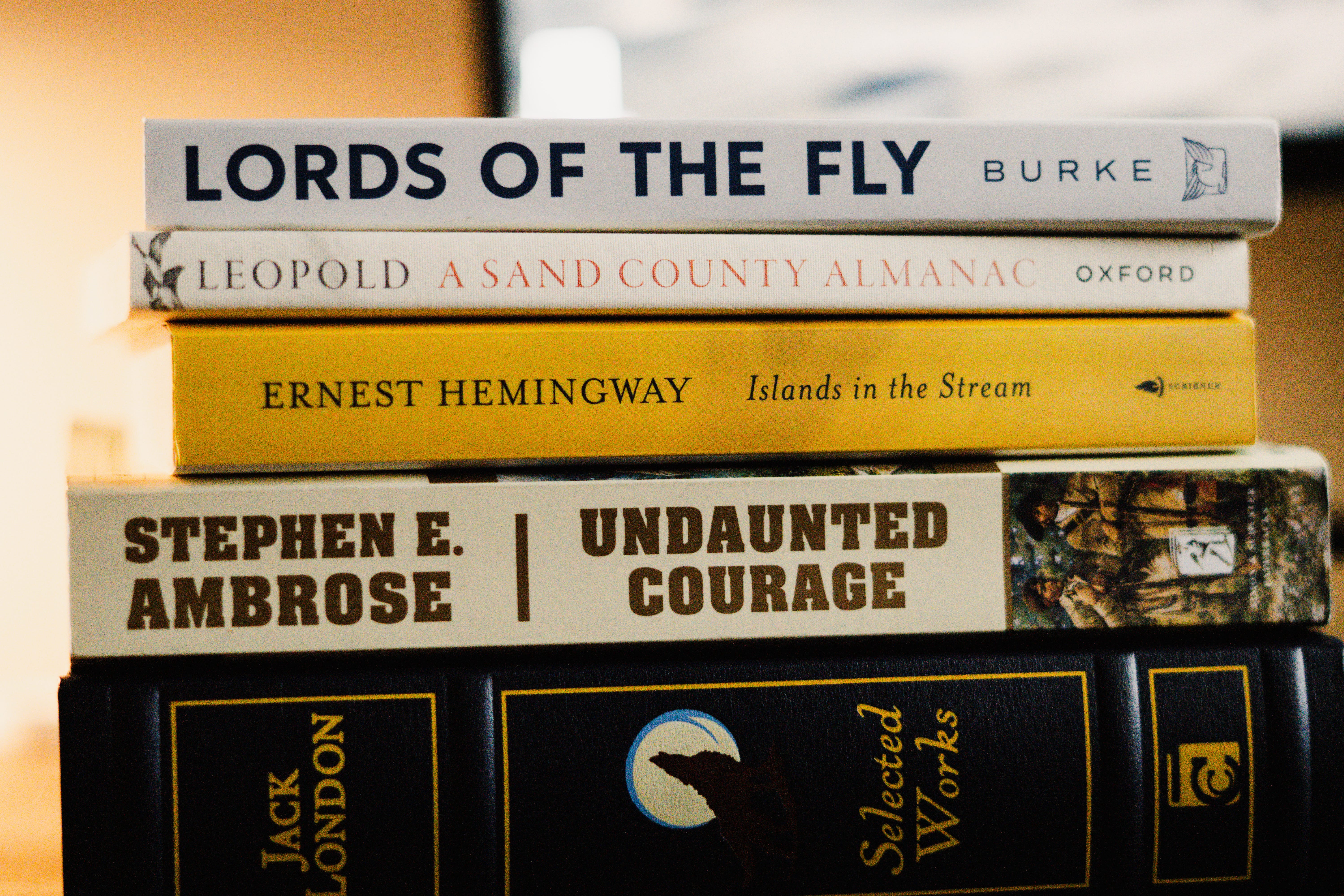
In December of 2024, I look at my Fable App, which I used to track what books I had read (or listened to) during the year. This was my first year really reading again since college, and my first year ever really tracking what I read. Looking at the number 29, I knew I could read more in the following year, mainly because I hadn't prioritized reading or listening to audiobooks on my nearly 50-minute commute to work. But if I did prioritize in 2025, I could really grow my knowledge from what I read and help myself become a better writer by consuming more words on the page. So on 1 January 2025, I opened up my copy of Stephen Ambrose’s master piece Undaunted Courage, and spent those cold weeks of January following Lewis and Clark across the continent. As I read at home, I began listening to another title on my drives into work. This method helped me read 40 books in 2025. I don't say this as a brag; I say this as a personal achievement. Through this blitz of reading, I learned a few things.
You can’t read just one genre.
I traditionally have really only read history books and the occasional thriller. So I really tried to force myself to read fiction, nature, and the classics. From Steinbeck's East of Eden to Peice Brown’s Red Rising series, I covered everything I could. First, this was great for my brain; it helped me change how I think and led me to write differently. It helped expand my horizon of knowledge, and finally, it exposed me to new genres I did not know I would enjoy. Further expanding my book list to read.
It’s okay not to like a book.
In the world of Social Media, there is this thing called BookTok, and they usually all get behind the same two or three books, say they are amazing, and you MUST read them. A good example of this was Red Rising by Peiece Brown. I read it because I saw it online and devoured the first trilogy in a month. The opposite of that was The Devils by Joe Abomcrombie. Everyone was raving about it, and I wanted to love it. But I struggled to finish it; it was the first time that I could ever remember not wanting to finish a book. It just didnt speak to me, and I think that it’s okay. I learned it's OK not to love a book, and that's fine.
Classics need to be read.
In March, I went to Key West for a work trip, so naturally, I returned to one of my all-time favorites, Papa himself, Ernest Hemingway, and read quite a few of his books back to back. The man just had a way with storytelling that is hard to compete with, in my opinion. Islands in the Stream is not one of the more popular Hemingway tales, but it's a great one, making me want another nautical adventure, so Jack London’s The Sea Wolf was next. For me, these titles take me on an adventure that usually has a deeper meaning, and that’s great. It’s something we don't see a ton of anymore in the era of smut.
Try out the new ones.
We tend to go with names we know. Tom Clancy, Hemingway, and the list goes on. But sometimes it's good to try some new authors, I did that with a few, one of those being Ryan Pote’s Blood and Treasure. It was a lot of fun, and his name will be added to the list of authors I look for, but the main thing is that I expanded my horizons. It was needed and fun.
At times, it was a challenge to pick up a book, but it was worth it. 2025 was a challenging year, but the relief each of these tales brought me made it bearable. Through each of those pages, I learned something new, or I thought about something different, or I learned a new writing tool. Basically, what I am trying to say in this substack rambling is that nothing bad came from challenging myself to read. Only good things came from it. So if you are debating committing to reading in 2026, do it. Join me because I have already started on 2026’s stack of books. What recommendations do you have for me to add to the stack?